
Services
Manage Pain with Traditional Chinese Medicine (TCM)

While Western medicine often targets pain symptoms, Traditional Chinese Medicine (TCM) delves deeper into the root causes, focusing on the patient’s overall body constitution. TCM pain management offers personalized treatments based on individual needs, ensuring a holistic approach to healing.
How TCM Manages Pain
Comprehensive TCM Assessment
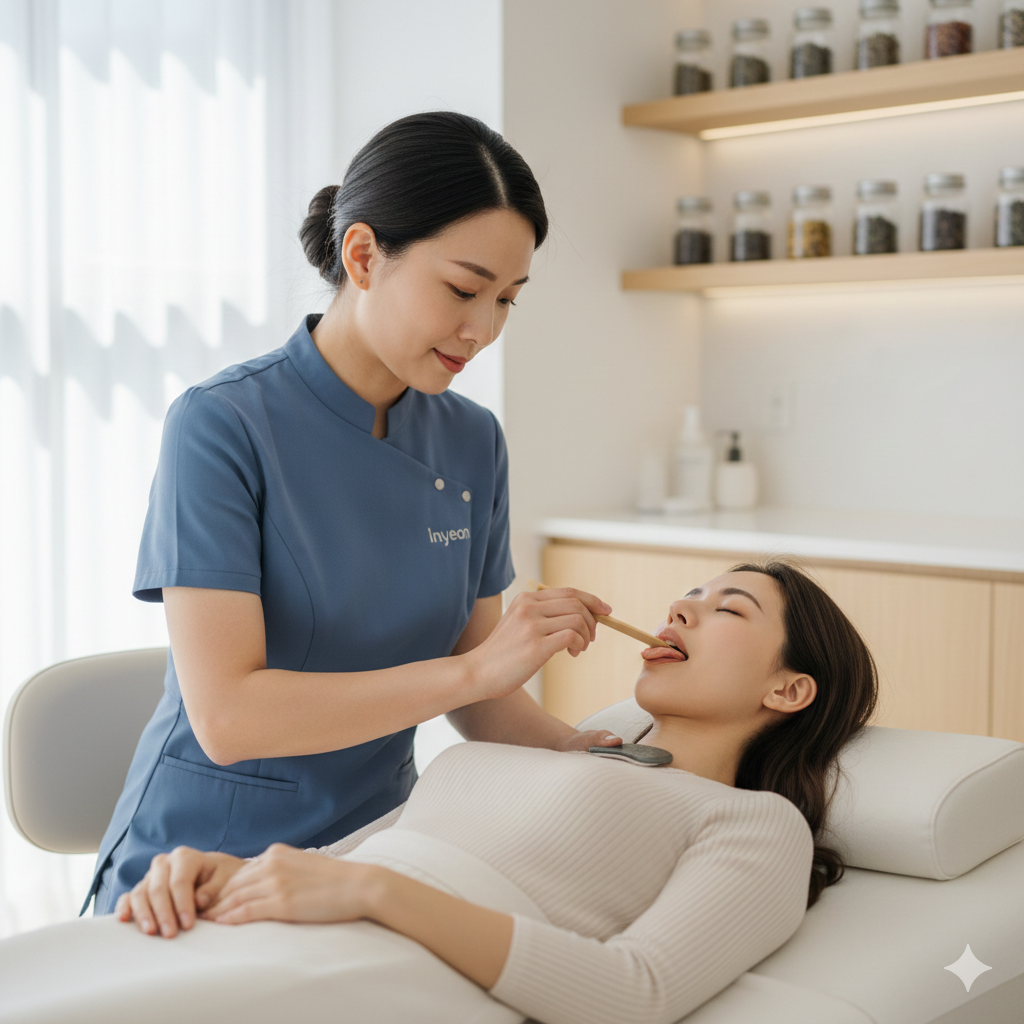
Your journey begins with a detailed assessment by a TCM physician. This includes examining your tongue, pulse, skin tone, muscle tone, and overall body condition. Based on the diagnosis, the physician will recommend a customized treatment plan. This plan may include therapies like bone setting, tuina massage, acupuncture, cupping, guasha, moxibustion, and herbal remedies, all aimed at restoring the body’s natural energy flow and healing capacity.
Popular TCM Pain Management Therapies
TCM Bone Setting
.png)
Realigning your body for pain relief and improved mobility.
Bone setting involves non-invasive manual techniques to correct spinal misalignments and alleviate chronic pain conditions, such as:
- Neck and shoulder pain
- Lower back pain
- Sports injuries
- Headaches
- Limb numbness
By addressing misalignments, bone setting restores the body’s range of motion and relieves pain effectively.
TCM Acupuncture
.png)
Unlocking blocked qi for improved blood flow and pain relief.
Acupuncture uses fine needles inserted into specific points to balance qi (energy) and improve circulation. Sessions typically last 15–20 minutes and are effective for managing:
- Pain relief
- Stress-related disorders
- Allergies
- Lethargy
- Overall health maintenance
TCM Tuina Massage
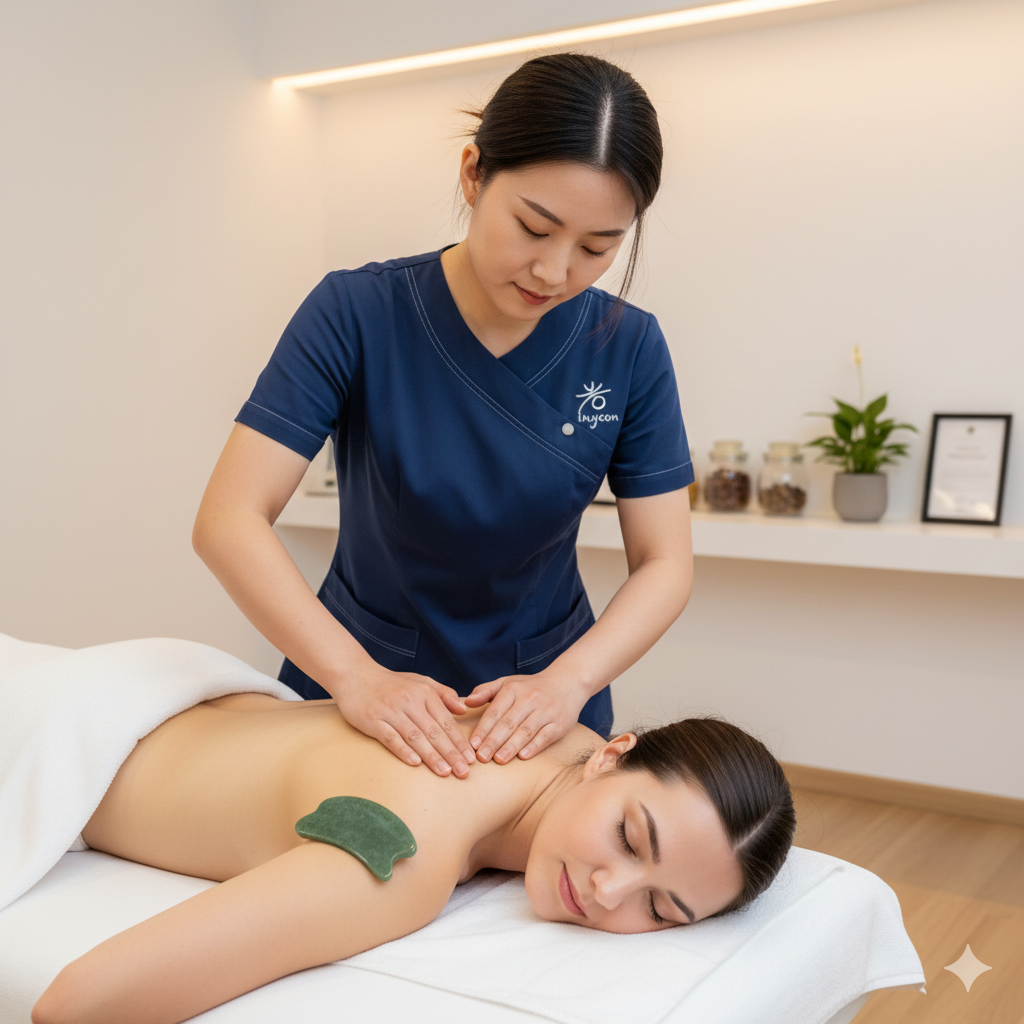
Targeted muscle recovery and pain relief.
Tuina, meaning “pinch and pull,” is a therapeutic massage that focuses on treating muscle imbalances. It breaks up blood stagnation and reduces swelling, making it ideal for:
- Muscle sprains
- Tennis elbow
- Back strains
- Dislocated shoulders
TCM Gua Sha
.png)
Detoxify and stimulate the immune system.
Gua sha involves scraping the skin with a specialized tool to relieve pain and inflammation. The technique stimulates lymphatic drainage, flushes out toxins, and provides instant pain relief. While red marks may appear, they are temporary and indicate energy blockages being addressed.
TCM Cupping
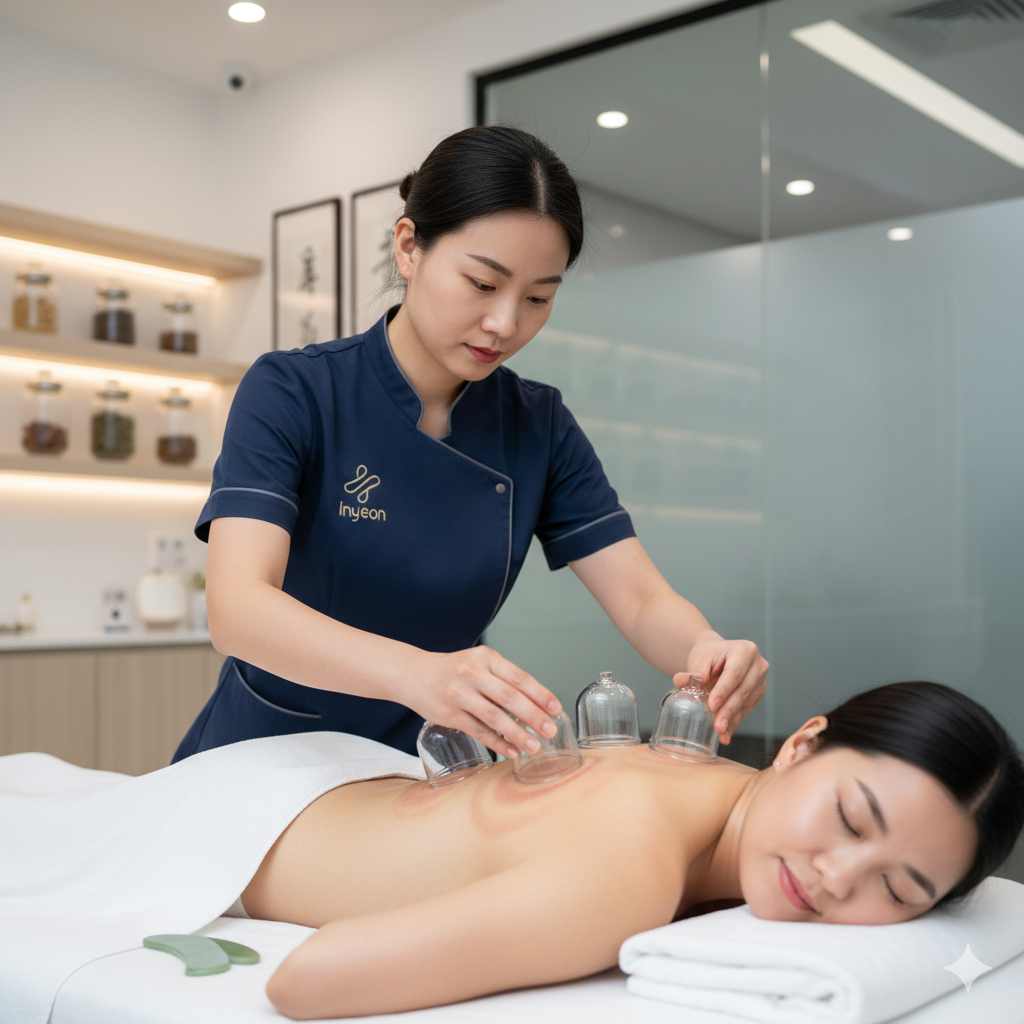
Promoting healing through suction therapy.
Cupping therapy creates a suction effect that increases blood flow and stimulates tissue repair. It’s effective for:
- Pain relief
- Treating colds
- Enhancing recovery from injuries
Cups are placed on specific areas of the body, and the suction pulls toxins to the surface, where they can be easily eliminated.
Moxibustion Heat Therapy
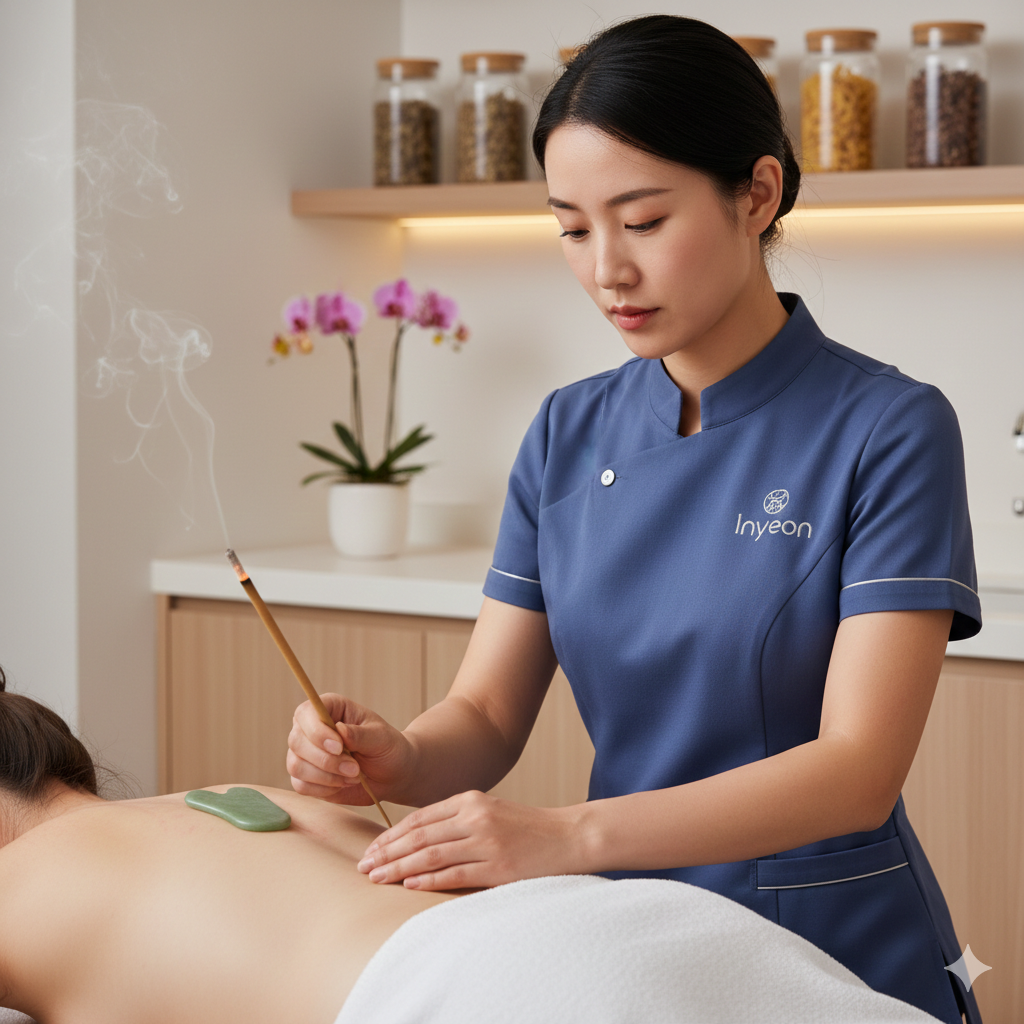
Harnessing heat to relieve pain caused by “cold” patterns.
Moxibustion uses heated herb sticks near meridian points to promote blood circulation and alleviate pain. It is particularly effective for:
- Arthritis
- Digestive issues
- Menstrual cramps
- Stiff limbs
Why Choose TCM for Pain Management?
TCM therapies are natural, non-invasive, and tailored to each individual’s body constitution. By addressing the root cause of pain, TCM provides long-lasting relief and supports overall health
INYEON’s Comprehensive TCM Treatments
At INYEON, we offer a range of TCM therapies, including Acupuncture, Tuina Massage, Moxibustion Heat Therapy, Gua Sha, and even Guasha Detox Facial, all designed to meet your specific needs.
Contact us today to book a consultation and discover the benefits of TCM for pain management. Let us help you restore balance and live pain-free!
More testimonial Before & After -Please click the link https://www.inyeontcm.com.sg/customer-testimonial
Manage Pain with Traditional Chinese Medicine (TCM) in Singapore – FAQs
1. What is pain management in Traditional Chinese Medicine (TCM)?
TCM pain management is a holistic approach that focuses on improving circulation, reducing muscle tension, and restoring body balance. In TCM Singapore clinics, treatments may include acupuncture, Bojin massage, Gua Sha, cupping, and herbal support. The aim is to support natural pain relief by addressing both physical tension and internal imbalances.
2. What types of pain are commonly managed with TCM?
TCM is commonly used for neck and shoulder tension, lower back discomfort, joint stiffness, muscle aches, and stress-related body pain. In Singapore, many people seek TCM for pain linked to long working hours, posture issues, and daily fatigue. Treatments are adjusted based on pain location and lifestyle factors.
3. How does acupuncture help with pain management?
Acupuncture helps manage pain by stimulating specific points to support circulation and muscle relaxation. In TCM Singapore practice, it is often used for ongoing or recurring pain. The treatment works internally and is commonly combined with massage therapies to support overall comfort and body balance.
4. What is Bojin massage and how does it help relieve pain?
Bojin massage is a TCM-based technique that uses specialised tools to work along meridian pathways and soft tissue. In Bojin Singapore treatments, it is often chosen for deeper muscle tension and stiffness. It is suitable for people who experience pain related to posture, repetitive movements, or physical stress.
5. Is Bojin massage suitable for office-related pain?
Yes, Bojin massage is commonly used by office workers in Singapore, especially those experiencing neck, shoulder, and back tension. It focuses on areas affected by prolonged sitting and screen use. The technique supports circulation and muscle release without relying on strong force or aggressive pressure.
6. How does Gua Sha support pain relief?
Gua Sha is a TCM technique that uses smooth tools to stimulate circulation along the skin surface. In Singapore, it is commonly used for muscle soreness, stiffness, and tension-related pain. Body Gua Sha is often combined with acupuncture or Bojin to support both surface and deeper muscle relaxation.
7. What role does cupping therapy play in pain management?
Cupping therapy uses suction to encourage blood flow and relax tight muscles. In TCM Singapore clinics, it is often used for back pain, shoulder stiffness, and muscle fatigue. Cupping is usually part of a combined treatment plan rather than a standalone pain management method.
8. Can herbal treatments be part of TCM pain management?
Herbal support may be included in TCM pain management based on individual body patterns. In TCM Singapore practice, herbs are selected to support circulation and overall balance. Herbal guidance is typically combined with acupuncture or massage therapies and lifestyle recommendations.
9. Is TCM pain management suitable for long-term care?
Yes, TCM pain management is often used for long-term wellness support in Singapore. Treatments are adjusted over time as pain patterns change. Many people use TCM as part of regular self-care to manage recurring discomfort and support daily mobility naturally.
10. Where can I find TCM pain management services in Singapore?
You can find professional TCM treatments at INYEON TCM Wellness, with convenient outlets in Somerset and Bugis. They offer targeted Bojin massage, Gua Sha, and holistic therapies to relieve body aches, improve circulation, and support overall wellness. These central locations make it easy for Singapore residents and office workers to access traditional healing in a modern, comfortable environment.
Book For Free AI-TCM Health Constitution Analysis -Please click the link https://www.inyeontcm.com.sg/ai-tcm-health-constitution-analysis